Emergency Springs · Aurora
Torsion Spring Replacement in Aurora
Nothing broke outright, but the door has grown heavier each winter, opens more slowly and squeals as it moves. The springs on an older door have lost tension and the coils show pitting, so the system is asking for attention before it fails.
Call now · open 24/7(289) 802-4769Right now
Before the door is looked at
Call (289) 802-4769, open 24/7.
When a spring breaks, the safe approach for the household is to leave the door where it is, keep people and vehicles clear, and avoid running the opener, which can damage the top section, the trolley or the gear drive.
Pull the manual release only when the door is fully closed unless a technician asks otherwise; a door disconnected while partly open can move on its own if the springs are out of balance.
Never drive a vehicle at a closed door to get out; the door collapses and the stored tension in the counterbalance is released. Use the release, the outside key release, or a technician.
In plain words
Every spring is built for a number of open-close cycles, and replacement is a natural moment to choose that number deliberately. A standard residential spring is commonly rated around ten thousand cycles; a family that opens the door six times a day uses those up in a few years. Higher-cycle springs use heavier wire and a longer coil to produce the same force with less stress on the steel, so they last proportionally longer. The technician can explain the trade-off and fit whichever option suits the household's use of the door, then wind and balance it accordingly.
How the visit goesLooking up at the coil above the door, you can see a clean split with a gap of several centimetres between the two halves. The rest of the spring looks fine, but the door has become almost impossible to move by hand.
Torsion Spring Replacement · Aurora
How the visit goes
- 1
Following the hardware the spring drives
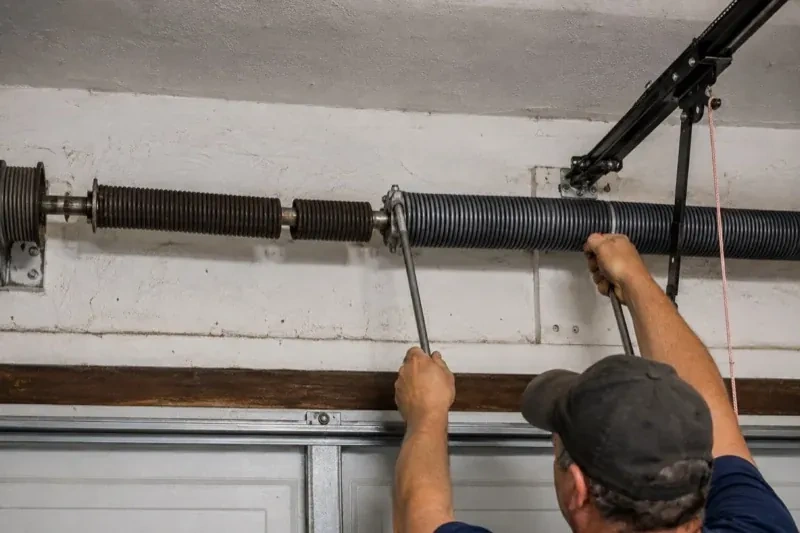
The spring is one part of a chain, so the check follows that chain from the shaft outward. The centre bearing and the end bearings are turned by hand to feel for roughness or wobble. Cable drums are inspected for cracked flanges and worn grooves, and lift cables are examined along their length and at the bottom brackets, where fraying and rust usually start. Bottom brackets and their fasteners are looked at for corrosion, and the shaft is checked for straightness. Findings here decide whether the visit is a spring swap alone or a spring plus a few tired companions.
- 2
Winding with control
Winding is where a spring takes on its working tension, and it is done with two solid steel bars sized to the holes in the winding cone. The technician stands to the side of the cone, inserts one bar, turns a quarter turn, inserts the second bar, and transfers the load from bar to bar so the spring is never held by less than a full bar. The number of quarter turns is counted against the door height and drum type. When the count is reached, the spring is stretched slightly toward the drum and the set screws are tightened to the shaft while the last bar still carries the load.
- 3
Through the seasons
The new spring has been set for the door as it is today, and the seasons are part of its life. Cold mornings make steel and grease a little stiffer, so the door may feel marginally slower in deep winter while still balanced; lubrication in autumn helps. Slush and road salt carried in on tires settle on the bottom brackets and cable ends, so a rinse and a light spray in spring slow corrosion where the cables anchor. Summer humidity is easier on hardware but rewards a dry, clean track. Small seasonal habits like these let the spring reach its full rated cycle count.
In the van
- Torsion springs, oil-tempered or galvanized
- Winding bars
- End bearing plates
- Locking pliers for the track
- Socket set and wrenches
What affects the quote
- 1
Drum type and lift configuration
Standard-lift drums are the common case. High-lift, vertical-lift or low-headroom arrangements use different drums, cable lengths and turn counts, which changes the parts and the time involved.
- 2
Access and working space
A vehicle that stays inside, shelving under the shaft, a very high ceiling or a tight side clearance affects how the technician sets up and how long the visit runs.
- 3
Oversize or non-standard doors
Very wide doors, tall doors, carriage-house doors with heavy overlays and light-commercial doors may need duplex springs, multiple springs or larger drums, which changes both the hardware and the method.
Same fees day, night or weekend.
Torsion Spring Replacement: questions
What happens if the header wood or centre bracket is damaged?
The centre bracket anchors the spring's reaction force to the framing above the door, so it has to be solid. If the header has split or softened, or the lag bolts have pulled, the technician can refasten into sound wood, add a reinforcing plate or replace the bracket before the new spring is wound. Dealing with this first keeps the shaft level and the spring pulling straight, which protects the bearings and the door.
What is the difference between galvanized and oil-tempered springs?
Oil-tempered springs are the traditional dark grey or black coil; they hold their tension well over time and are widely used. Galvanized springs have a zinc coating that resists rust, which is useful in damp garages, though they tend to relax slightly and may need a small adjustment after settling in. Both are available in standard and high-cycle ratings, and the technician can explain which suits your garage.
Do I need to be home for the visit?
It helps to have someone present to open the garage, point out anything you noticed and hear how the door should feel afterwards. The technician needs power at the opener outlet, clear space under the shaft for a ladder, and access to both sides of the door. If a vehicle is inside, it stays until the door is working. Being there also lets you approve any extra items, such as bearings or cables, as they come up.
Springs & Hardware
Bigger photo, sooner job: Emergency Book soon Plan ahead
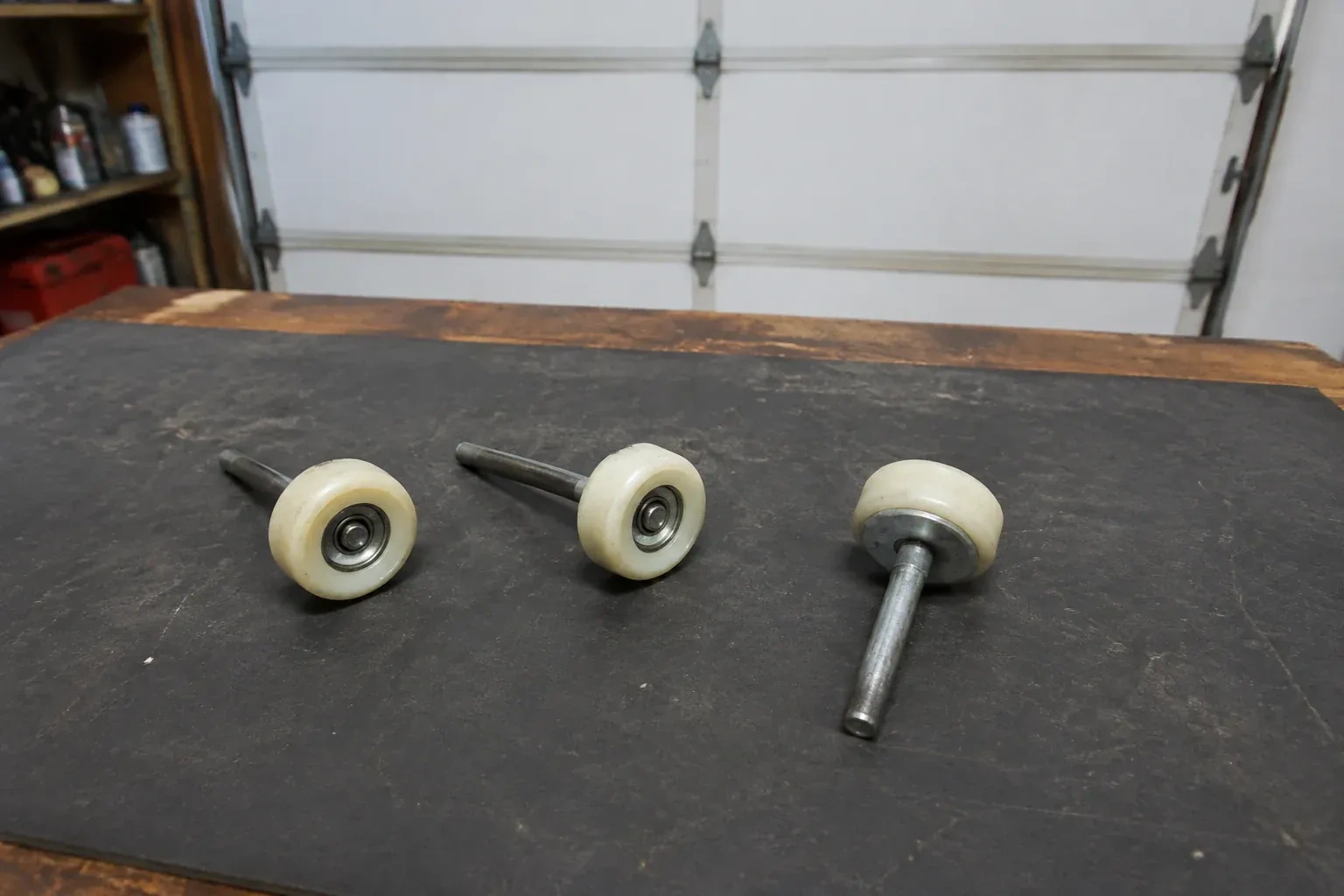 Book soonGarage Door Roller ReplacementOne of the little wheels along the edge of the door has a chunk missing, another sits crooked in its hinge, and there is a fine…
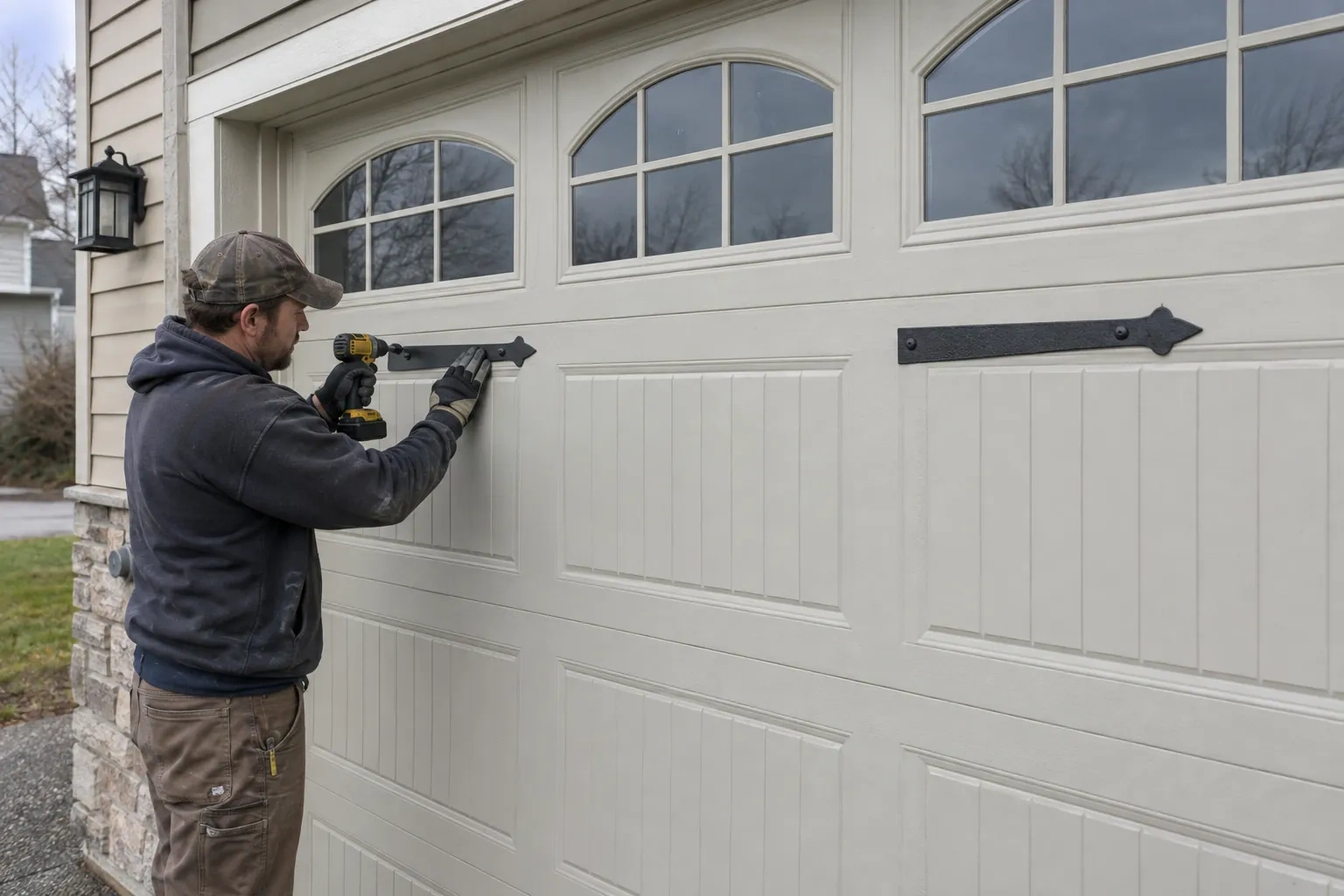
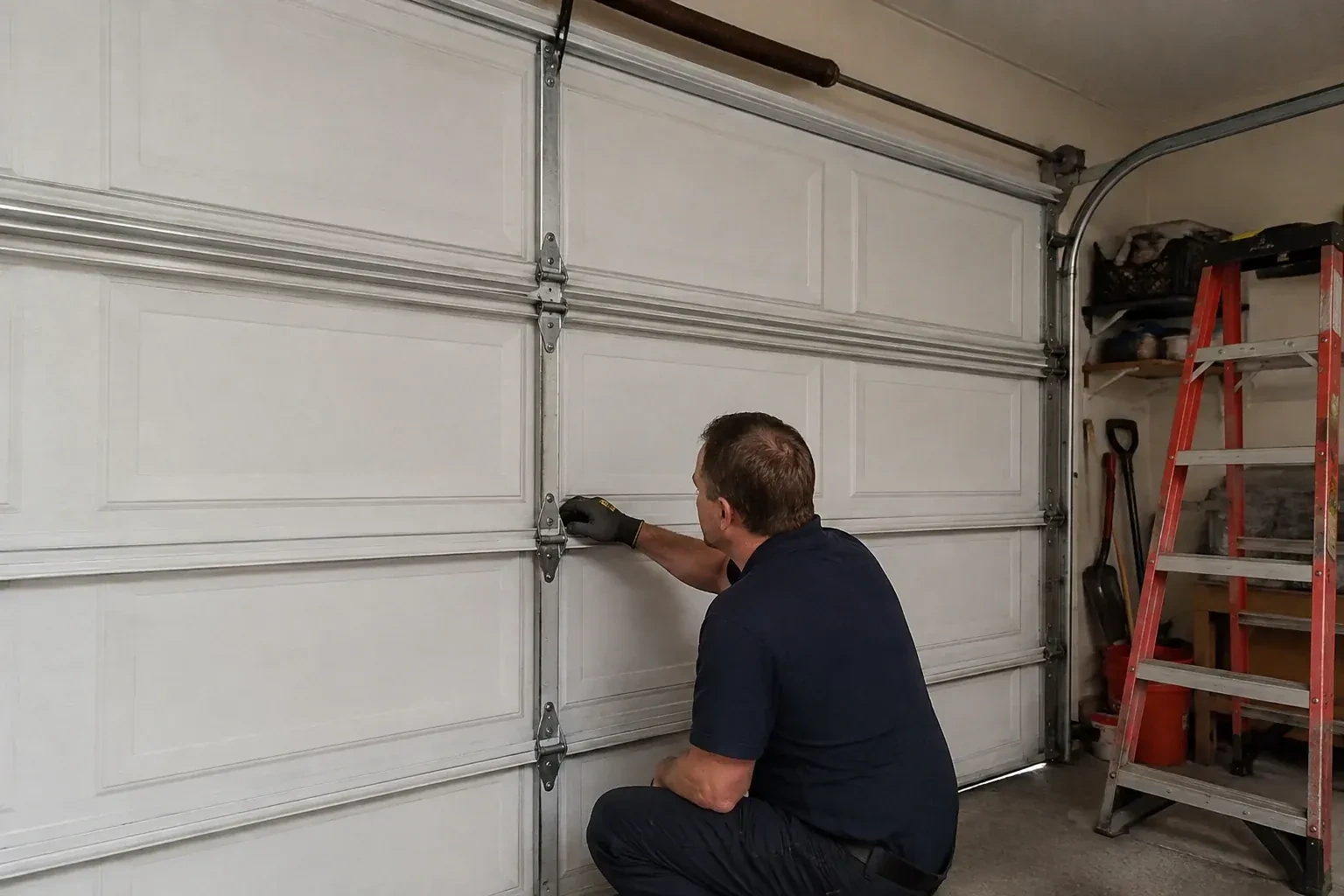 Book soonGarage Door Hinge ReplacementThe car nudged the door on the way in.
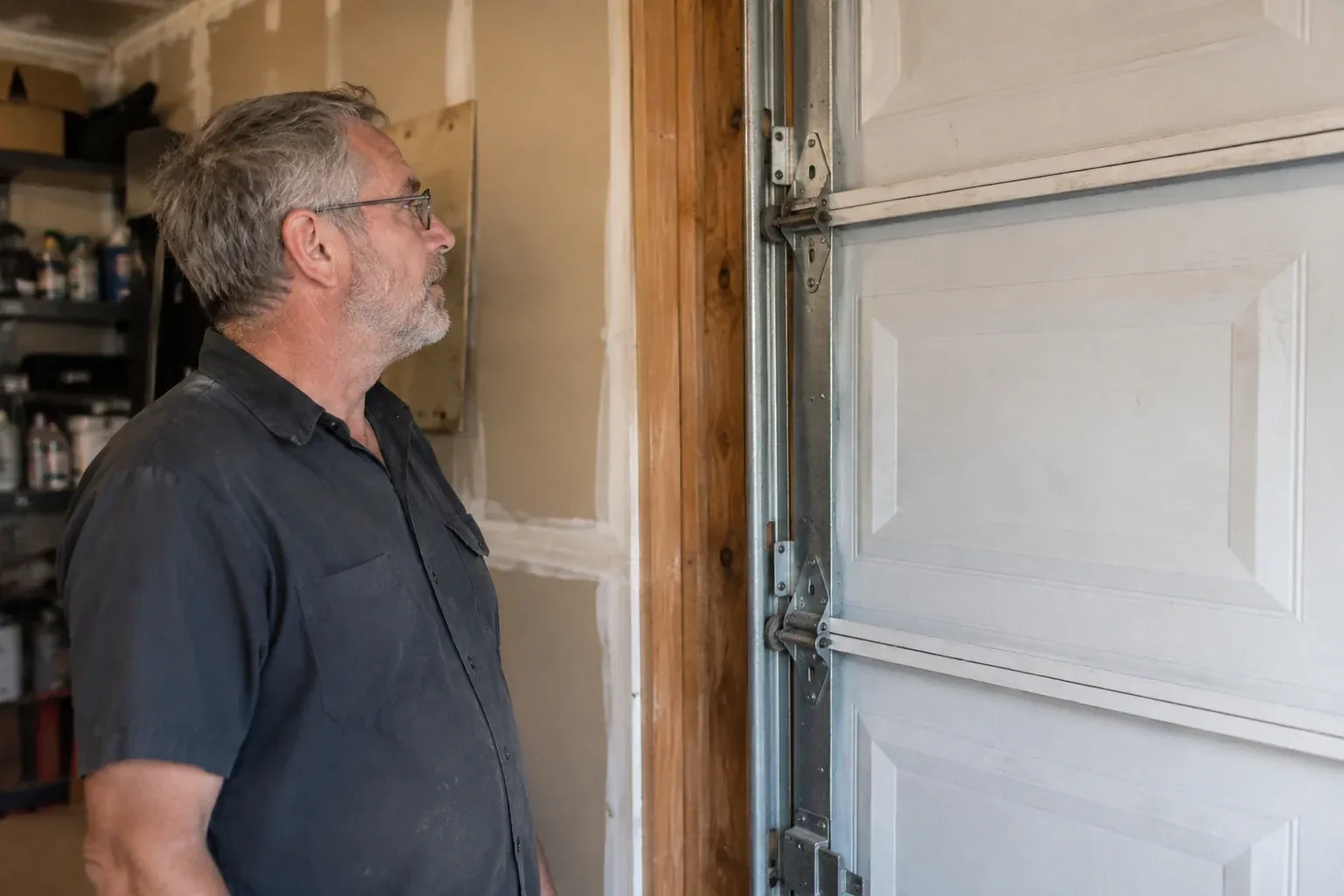 Book soonGarage Door Track Repair or ReplacementBacking out this morning, the mirror caught the track beside the door.
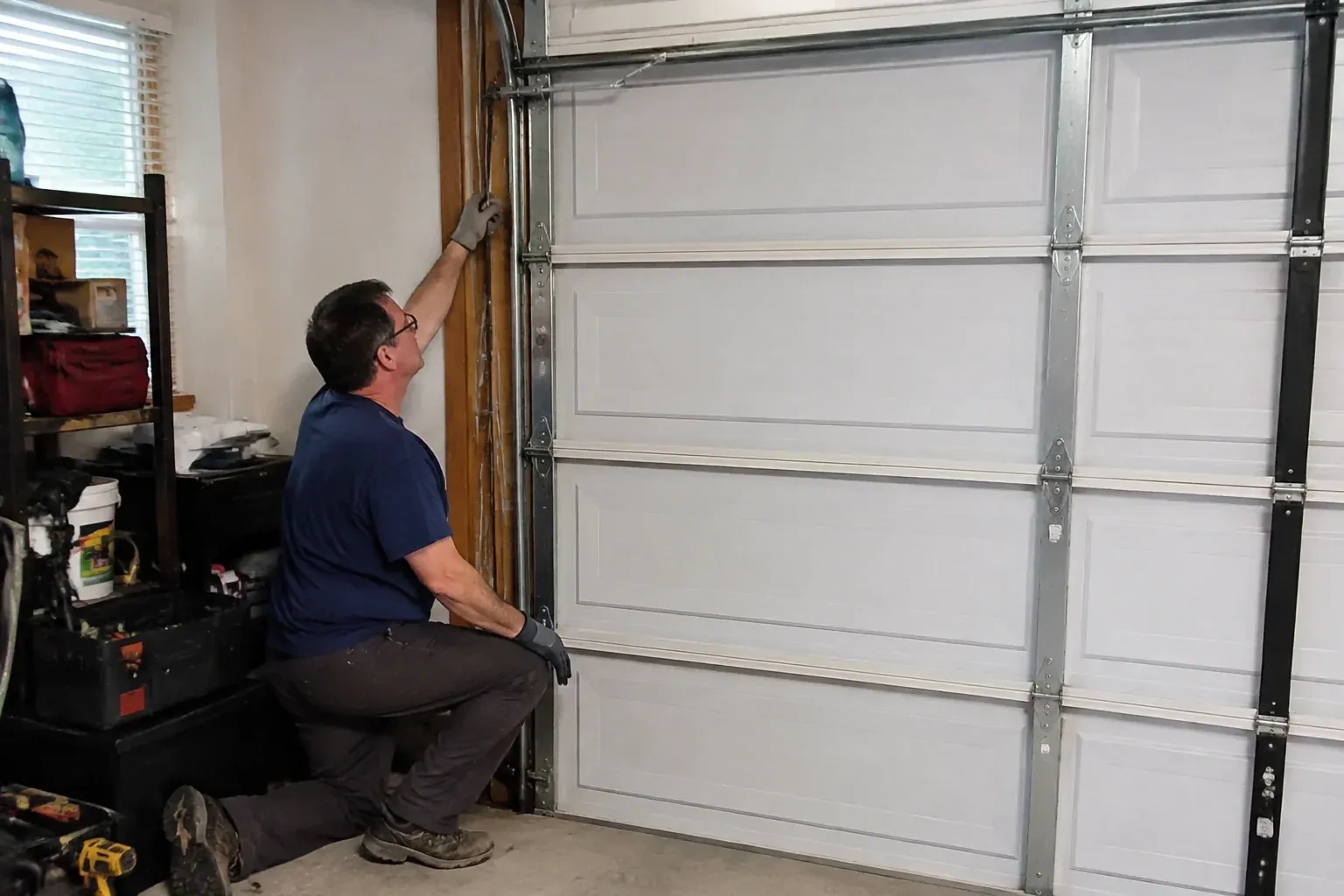 EmergencyGarage Door Cable ReplacementThe car bumper kissed the door on the way in.
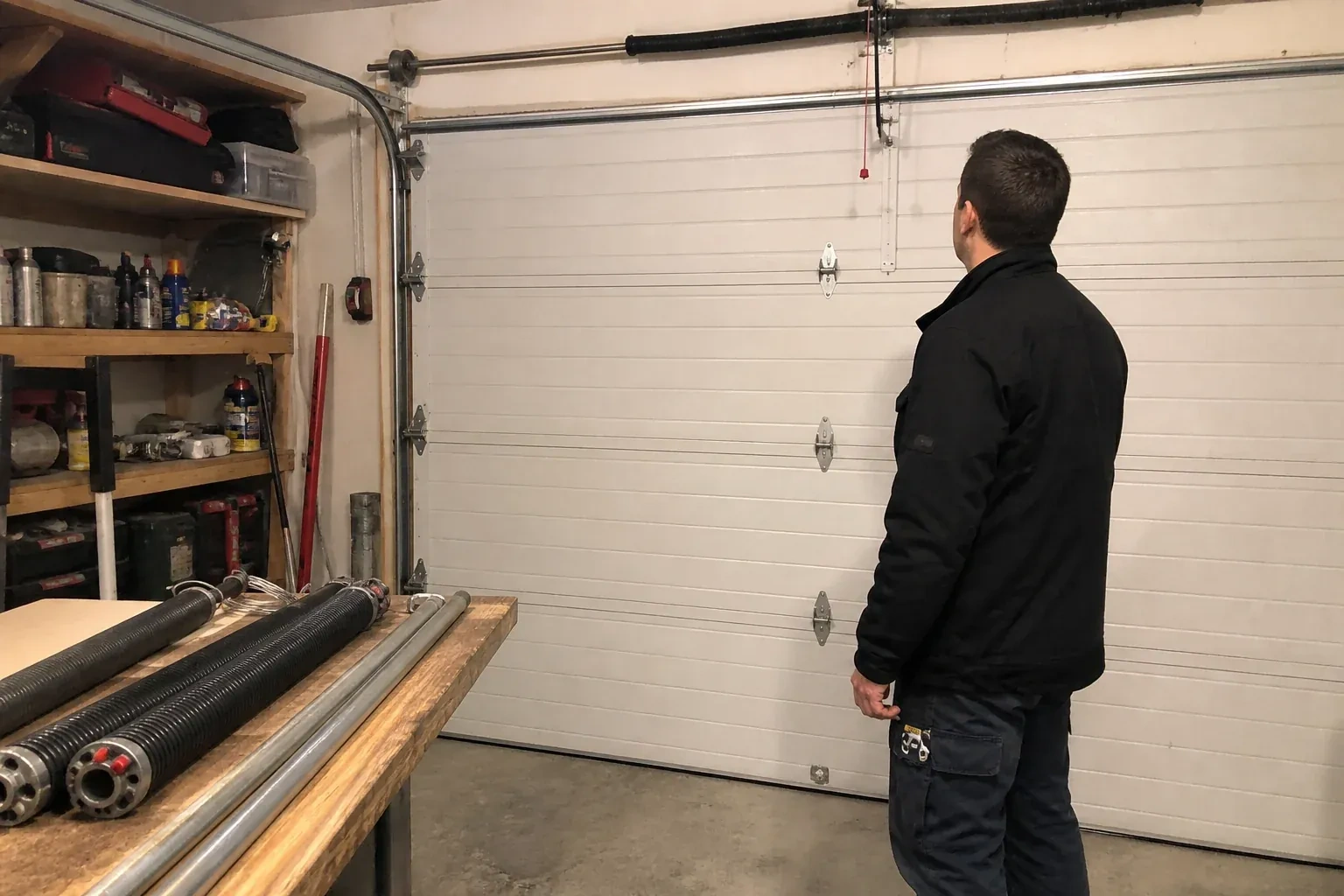 EmergencyExtension Spring ReplacementA bang like a dropped toolbox came from the garage last night.
York, Ontario
Aurora information
- Town
- Aurora, York, Ontario
- In business
- 21 years
- Hours
- Open 24/7 · nights, weekends and holidays, same fees
- Phone
- (289) 802-4769
- Visits
- On-site assessment preferred. Request a visit or call.
What the census means at the door
22%
Newer homes. About 22% of homes in Aurora were built in 1980 or earlier, according to the 2021 Census.
Many newer homes have a keypad by the door, several remotes and an app that reports whether the door is open. We keep all of these talking to the opener, clear codes from devices that have gone missing and set up new ones so the whole household is covered.
60%
Mostly houses. Single-detached houses make up about 60% of homes in Aurora (2021 Census).
Single-detached homes give a technician room to work: a driveway for the van, side room beside the tracks and a clear header. That means spring replacement, opener installation and full door replacement can each be finished in one visit with the door properly secured throughout.
Open 24/7
Request a visit
Nothing broke outright, but the door has grown heavier each winter, opens more slowly and squeals as it moves.
Call now · open 24/7(289) 802-4769- On-site assessment preferred
- Same fees day, night or weekend
- 21 years in business